

“I Wish I Had Known This Sooner” – 20 Things You Only Understand After an Endometriosis Diagnosis
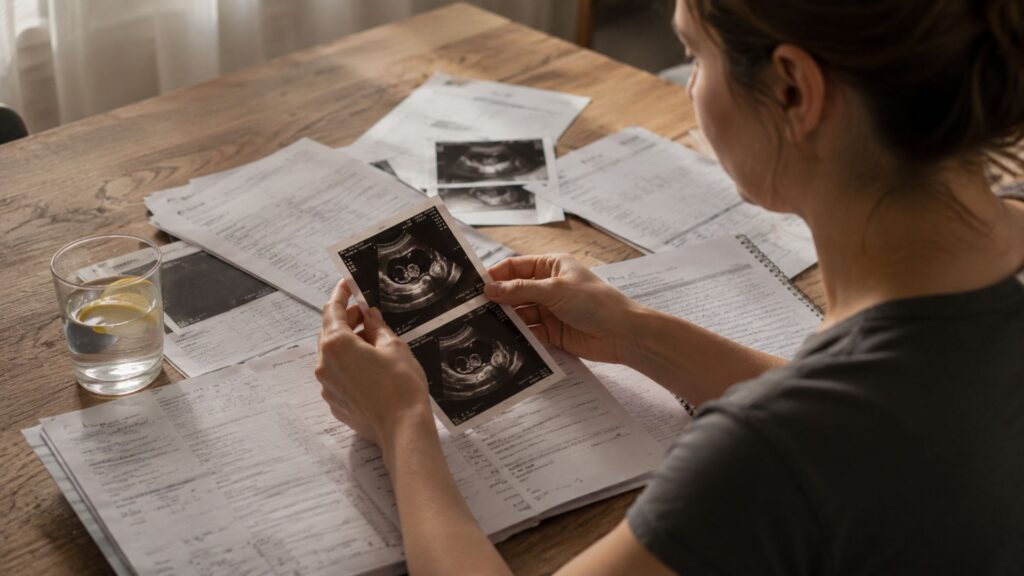
Endometriosis is rarely diagnosed quickly. The average time from first symptoms to diagnosis in Poland is several years. That's several years of pain that was downplayed. Several years of fatigue that you called laziness. Several years of believing that maybe you simply have a low pain threshold and should try harder.
Many women say the diagnosis was both a shock and a relief. Shock because it's a serious, chronic illness. Relief because they finally had a name for what they'd been feeling for years. And almost all of them say the same thing: I wish I'd known sooner.
This article is for you, whether you've had your diagnosis for a week or ten years.
Things no one told you
1. Period pain that prevents you from functioning normally is not normal. A normal period can be unpleasant. However, pain that causes you to be unable to get out of bed, vomit, faint, or regularly take sick days from work or school is not normal by any definition. For years, you've heard that "everyone has it." Well, not everyone does. You had every right to seek answers much earlier.
2. Endometriosis fatigue isn't laziness or weakness. Chronic inflammation, pain that disrupts sleep, hormonal imbalances, and a nervous system under constant stress all consume energy in ways that are physiologically measurable. Your exhaustion had a real, biological cause. You weren't undermotivated.
3. "Take a pill and go to work" isn't good advice. For years, women struggling with these symptoms were told to just grit their teeth and get on with it. A pill, a cup of warm tea, and some exercise—that was supposed to be enough. However, endometriosis is a serious condition that requires accurate diagnosis, treatment, and often multidisciplinary care. It doesn't go away on its own if ignored.
4. Your body is not your enemy. It's easy to start hating your body for its pain, its dashed hopes, and its daily limitations. But a body that sends strong pain signals isn't working against you. It's desperately letting you know it needs help. Listening to these signals, rather than ruthlessly suppressing them, is an act of courage and caring.
5. Pain is not a deserved punishment. This statement sounds cliché and obvious, but many women with endometriosis admit that deep down they felt like they somehow deserved it. You don't deserve it. No one deserves to live in chronic pain.
6. You don't have to earn rest. Rest isn't a reward for high productivity or a perfectly clean apartment. In chronic illness, regeneration is simply part of the treatment. Lying in bed when everything hurts isn't a waste of time—it's the only correct response to a real need in your body.
7. Your pain and symptoms were never just "in your head." Medical gaslighting, when a doctor suggests that symptoms are exaggerated, the result of hysteria, or purely psychosomatic, is an experience shared by most patients. Your pain was real. Your exhaustion was real. Just because someone couldn't diagnose it doesn't mean the problem didn't exist.
8. The diagnosis may have come very late, but it's not your fault. The average diagnostic time for endometriosis is 7 to 10 years. This is a serious systemic problem: the widespread normalization of menstrual pain, lack of education, and limited access to specialists. If you spent years searching for answers and bouncing off the walls, you didn't fail yourself—the healthcare system failed you.
9. Endometriosis is a disease of the entire body, not just the uterus. Endometrial lesions can occur on the ovaries, intestines, bladder, diaphragm, and in rare cases even outside the abdominal cavity. Therefore, gastrointestinal, urinary, and neurological symptoms can all be part of the same puzzle, and effective care often requires the involvement of physicians with multiple specialties.
10. Pain during sex has a clear name and cause. Dyspareunia , or pain during intercourse, affects a significant number of women with endometriosis. It's not a matter of a mental block, a bad attitude, or relationship problems. It's a real anatomical symptom that's worth discussing openly with your doctor and urogynecological physiotherapist.
11. Bowel and bladder problems are often part of the clinical picture. Cyclic bloating, diarrhea or constipation worsening around menstruation, sudden urges to urinate, or pain during bowel movements are common symptoms for many patients. If these symptoms appear regularly during their cycle, it's worth mentioning them to a gynecologist, even if they seem unrelated at first glance.
12. Endometriosis and fertility are a topic worth discussing calmly, before a crisis erupts. Not every woman with endometriosis will have difficulty conceiving. However, some patients face challenges along the way. Discussing with your doctor what the condition means for your family plans is something worth having without the pressure of time, before you face urgent decisions.
13. A psychologist on the medical team isn't a luxury; it's fundamental to care. Living with a chronic pain condition takes a huge toll on mental health. Anxiety, depression, a sense of loss of control over one's life, or grief over plans that have been derailed by health are all legitimate reactions to a difficult situation. Utilizing psychological support means you take yourself and your health seriously.
14. Your partner, family, and friends need solid education, not just good intentions. Loved ones usually genuinely want to help, but they simply don't understand what you face every day. Giving them a valuable article, sharing a conversation about the disease from the inside, or even taking someone to a doctor's appointment can dramatically change the quality of your daily relationships and support.
15. The slogan " pregnancy will cure endometriosis" is an exceptionally harmful myth. It's one of the most ingrained and dangerous medical myths. Pregnancy can temporarily alleviate symptoms in some women due to hormonal changes, but it absolutely does not cure the disease itself. Symptoms usually return after childbirth, so the decision to become a mother should never be considered a therapeutic strategy.
16. Diet and lifestyle are crucial, but they are not a substitute for treatment. An anti-inflammatory diet, wise stress management, proper sleep, and regular exercise tailored to the body's needs provide incredible support in combating chronic inflammation. However, these are a supplement to, not an alternative to, professional diagnosis and specialist care.
17. You have every right to change doctors until you find someone who truly listens to you. A relationship with your doctor is crucial to your sense of security when dealing with a chronic illness. If you feel your symptoms are being downplayed, and you leave each appointment crying or feeling guilty, you have the right to keep looking. This isn't being overly demanding—it's taking care of your own life.
18. Specific terms and classification systems are of great practical importance. Endometriosis is described in various systems, including the rASRM and Enzian classifications . The stage of progression and the precise location of lesions directly influence which surgical or pharmacological treatment will yield the best results. It's worth asking your doctor for details about your specific diagnosis.
19. A community of other women with diabetes is an invaluable source of practical knowledge. Support groups aren't just about the emotional feeling of finally feeling understood. Above all, they're a treasure trove of invaluable information: recommendations from trusted specialists in your region, tips on how to talk to your employer, how to prepare for a laparoscopy , and what to realistically pack for the hospital.
20. You can live well with endometriosis and pursue your dreams. Understanding the disease doesn't mean diminishing how difficult and debilitating it can be. However, a diagnosis isn't a death sentence. Properly tailored treatment, a trusted medical team, and a deep understanding of your own body can effectively restore quality of life. Endometriosis can be a part of your daily life, but it doesn't have to define who you are.
At the end
If you could go back in time and tell yourself one thing from before your diagnosis, what would it be? For most women, the answer is strikingly similar: telling yourself I was right. That the pain was real, not imagined, and that I deserved professional help much sooner.
You can't change the years that passed in uncertainty. But now you have a name, a clear context, and the tools to act. And that's the best possible starting point.
Sources
- ESHRE Endometriosis Guideline Development Group. Endometriosis: guideline of the European Society of Human Reproduction and Embryology. ESHRE, 2022.
- Ballard K. et al. Can symptomatology help in the diagnosis of endometriosis? Findings from a national case-control study. BJOG, 2008.
- Moradi M. et al. Impact of endometriosis on women's lives: a qualitative study. BMC Women's Health, 2014.
- Nnoaham KE et al. Impact of endometriosis on quality of life and work productivity: a multicenter study across this countries. Fertility and Sterility, 2011.
- Culley L. et al. The social and psychological impact of endometriosis on women's lives: a critical narrative review. Human Reproduction Update, 2013.
