

Orthorexia in Endometriosis – How Not to Go Crazy About a "Clean Bowl"? About Mental Balance Despite the Illness.
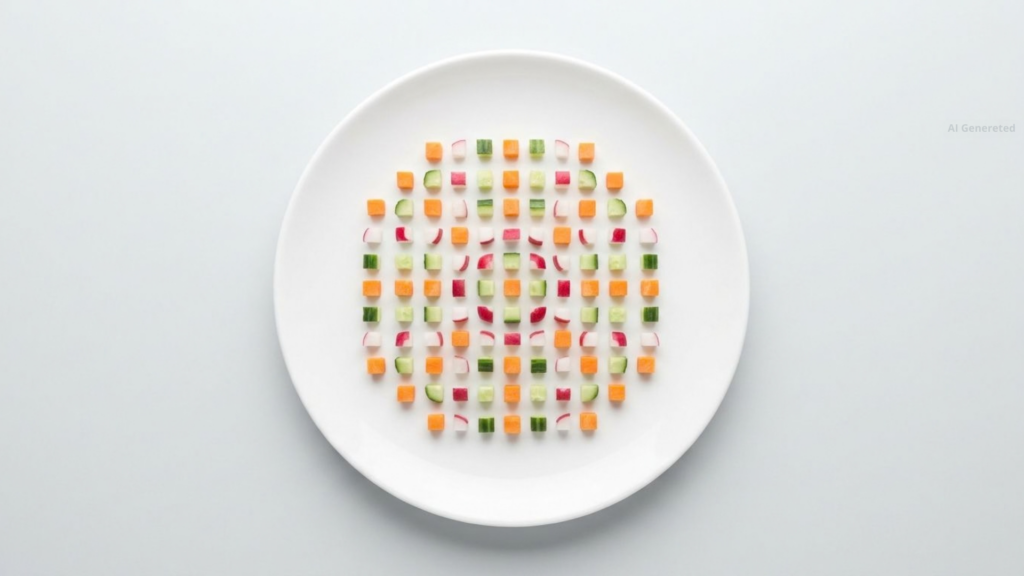
A diagnosis of endometriosis is a turning point. After years of wandering and feeling like "something's wrong, but no one knows what," a definitive diagnosis finally emerges. This often awakens the need to take control of one's health. The desire to take care of oneself through mindful eating is absolutely justified and valuable. Scientific research clearly shows that an anti-inflammatory diet can significantly alleviate the symptoms of endometriosis. The problem begins when concern for healthy eating turns into an obsession, which begins to control your life, mood, relationships, and paradoxically, worsen your health. In this article, we'll discuss orthorexia in the context of endometriosis and how to maintain a healthy balance between self-care and excessive control.
What exactly is orthorexia?
Orthorexia ( orthorexia nervosa ) is an eating disorder characterized by an obsessive focus on the quality and "purity" of the food consumed. The term was coined in 1997 by American physician Steven Bratman. The word "orthorexia" comes from the Greek "orthos" (correct, appropriate) and "orexis" (appetite, desire), literally meaning "a craving for appropriate food."
It's also important to distinguish between orthorexia and healthy eating from the outset. Consciously reaching for vegetables, limiting sugar, and avoiding highly processed foods are good habits. The problem arises when anxiety, guilt, rigid rules, and social isolation surround food. A person with orthorexia doesn't just think about eating healthily. They develop a real fear of any "unhealthy" product and even the slightest deviation from a healthy lifestyle. These are completely different motivations, negatively impacting both physical and mental health.
The differences between orthorexia and anorexia are also important, as these disorders appear similar. In anorexia, quantity and caloric intake are paramount, as the goal is to maintain the lowest possible body weight. In orthorexia, quality is key. The goal is to avoid eating anything "harmful" or "wrong." Although weight loss isn't the primary motivation, orthorexia can also lead to malnutrition and nutritional deficiencies over time, although these are generally less obvious.
Why are women with endometriosis particularly at risk of orthorexia?
One of the main risk factors for orthorexia is an illness that requires dietary changes. Endometriosis is an example of such a condition because it is chronic in nature, and medicine currently offers no effective treatment. Furthermore, endometriosis affects almost every aspect of life – so it's no wonder you want to help yourself in every possible way. Orthorexia provides an illusory sense of security and control over the disease. For a woman suffering from chronic pain, the thought "if I just eat right, I can beat this disease" is an incredibly tempting promise. Social media, full of beautifully presented, perfect meals, suggesting that a proper diet can cure everything, certainly doesn't help either. Comparing yourself to an Instagram image can lead to the feeling that "you're not eating clean enough yet." This combination makes the path from a conscious anti-inflammatory diet to orthorexia sometimes short.
How can you tell if healthy eating has become a problem?
Orthorexia develops insidiously. First comes curiosity, then commitment, then routine, and finally obsession. Below, you'll find a list of symptoms that may indicate things have gone too far. Keep in mind that this isn't an official diagnosis, but if you experience any of the following symptoms, consider it a warning sign and consider consulting a specialist.
- You spend most of your time thinking about your diet, what to eat, what to buy, how to prepare, what to eliminate;
- You plan your meals several days in advance and any deviation from the plan causes severe discomfort;
- You always carry your own food with you because "nothing else is healthy enough";
- You don't eat with family, friends or in restaurants because "you don't know what they'll feed you";
- You obsessively read labels and analyze ingredients;
- The list of products you consider “allowed” is gradually shrinking;
- Cooking and meal planning takes up so much of your time that you give up other activities;
- You feel intense guilt when you eat something “unhealthy”;
- You think that eating the “wrong” food will exacerbate your endometriosis or cause new illnesses;
- You critically evaluate other people's diets.
- The fear of "unhealthy food" is so strong that he would rather starve than eat something "forbidden";
- Self-esteem is strongly linked to how clean you eat;
- You feel increasing stress around food instead of pleasure.
The key difference between healthy self-care and orthorexia is flexibility. A healthy diet supports your body while also allowing you to live, pursue your career, fulfill your dreams, and enjoy your free time. Orthorexia controls your life, takes away your pleasure, and leads to isolation. A healthy approach is "I eat vegetables, whole grains, and good-quality protein at most meals, but at my friend's birthday party, I'll have a slice of cake and have a great time," while orthorexia says, "I won't go to her birthday party because it will be all unhealthy. Even if I do, I'll bring my own food and explain to everyone why I'm not eating what everyone else is eating."
A healthy relationship with food means you decide what to eat, not the other way around. If you notice that food has become the focus of your day, a source of anxiety instead of pleasure, a cause of isolation instead of joy, it's a sign that something needs to be done about it.
Why is orthorexia especially dangerous in endometriosis?
In the context of endometriosis, orthorexia is particularly dangerous because it can paradoxically exacerbate the very symptoms it's trying to combat. Why does this happen?
- Too restrictive a diet leads to deficiencies Iron, vitamin D, B12, omega-3 fatty acids, protein, and other nutrients essential for the proper functioning of the immune, hormonal, and digestive systems. Your body needs nutrients to manage inflammation and regenerate.
- Constantly worrying about what you will eat, whether it will be "clean enough", what will happen if you eat something "bad" is a strong stimulus and chronic mental stressAnd stress increases cortisol and directly increases inflammation throughout the body. Paradoxically, a "perfect anti-inflammatory meal" consumed under stress and emotional tension may increase inflammation more than a less ideal meal eaten in a calm and pleasant atmosphere.
- A monotonous, restrictive diet impoverishes the intestinal microbiotaA lack of product diversity means a lack of diverse substrates for gut bacteria, which leads to dysbiosis. And dysbiosis in women with endometriosis directly affects estrobols, a group of bacteria that regulate estrogen metabolism.
- Endometriosis is not only a physical condition but also a significant psychological burden. Social isolation caused by a rigid diet, the denial of pleasures, and the tense atmosphere surrounding every meal deepen the feeling of loneliness.
- Restrictive diets, malnutrition, and chronic stress can lead to exacerbated hormonal imbalances, decreased libido, weakened bones, and a deterioration in overall hormonal health. For women with endometriosis, this can mean a decline in disease control.
How to take care of yourself with endometriosis without becoming obsessed?
A conscious anti-inflammatory diet and a healthy relationship with food don't have to be mutually exclusive. Learn specific principles that will help you maintain a healthy balance.
The 80/20 rule for endometriosis
Focus on wholesome, anti-inflammatory, natural, and seasonal foods for 80% of your meals. Leave the remaining 20% for social occasions, favorite flavors, and moments of joy. This rule isn't a compromise on "unhealthy eating," but a realistic approach that allows you to maintain your diet for years, not weeks. Long-term consistency at 80% is much better for your physical and mental health than 100% perfection for two months.
Eat a variety of foods instead of restrictively
The word "diet" is often associated with restriction. I encourage you to change that mindset. Instead of wondering what to eliminate, consider what to add to your diet to make it more diverse. Aim for 30 different plant-based foods a week. This is a good way to increase your anti-inflammatory potential and support your gut microbiome.
Eliminate only what actually harms you
If you notice that dairy causes bloating and gluten worsens your symptoms, limiting them may be warranted. But don't eliminate entire food groups "just in case," "because someone wrote it," or "because an influencer recommends it." Each elimination should have a specific justification and should ideally be conducted under the supervision of a dietitian.
Trust your body
Your body is smart; learn to listen to it. How do you feel after a particular meal? What did you enjoy? What do you need? Your body is a better advisor than the latest list of "endometriosis-related foods."
Celebrate meals
Food isn't just about providing nutrients. It's also about pleasure, connection, and celebration. A family dinner, a slice of cake on a birthday, ice cream on the beach in summer, and pizza during a vacation in Italy are all elements of a healthy, fulfilling life. Allowing yourself to enjoy food has a truly positive impact on your mental health and nervous system.
Summary
True health isn't just about perfect test results and a "clean bowl." It's also about joy, relationships, a sense of freedom, inner peace, and flexibility. Your body isn't a machine that can be "fixed" with the right amount of nutrients. It's a living, complex system, influenced not only by diet but also by sleep, stress, relationships, emotions, and a sense of purpose. If you notice that your obsession with food is taking away more and more of your joy, pleasure, and life, it's time to stop, take a deep breath, and consider whether the path you're on is truly leading you to health.
Sources
Kałędkiewicz E. Orthorexia in comparison to other eating disorders, Forum Medycyny Rodzinnej, 2013
Gortat M. Orthorexia nervosa – a distorted approach to healthy eating, https://www.psychiatriapolska.pl/pdf-125387-81727?filename=81727.pdf [accessed: 17/09/2025]
Michelle S. Endometriosis and eating disorders: epidemiology, shared neurobiology, and clinical implications, https://pmc.ncbi.nlm.nih.gov/articles/PMC12823736/ [accessed: 17/09/2025]
Panariello F. Eating Disorders and Disturbed Eating Behaviors Underlying Body Weight Differences in Patients Affected by Endometriosis: Preliminary Results from an Italian Cross-Sectional Study, https://www.mdpi.com/1660-4601/20/3/1727 [accessed: 17/09/2025]
Rogowska A. Validation and Polish Adaptation of the Authorized Bratman Orthorexia Self-Test (ABOST): Comparison of Dichotomous and Continuous Likert-Type Response Scales, https://pmc.ncbi.nlm.nih.gov/articles/PMC8254612/ [accessed: 17/09/2025]

Aleksandra Dziura
A clinical dietitian, she graduated from the Medical University of Warsaw (undergraduate and graduate studies) and the Institute of Performance Nutrition. She continually expands her knowledge of women's health and nutrition by participating in conferences in Poland and abroad. She takes a holistic approach to working with patients, seeking the root cause of problems rather than simply masking symptoms. For over five years, she has been working with women with endometriosis and adenomyosis.