

What Supplements to Take for Endometriosis? A Guide to Supporting Your Body, Including Couples
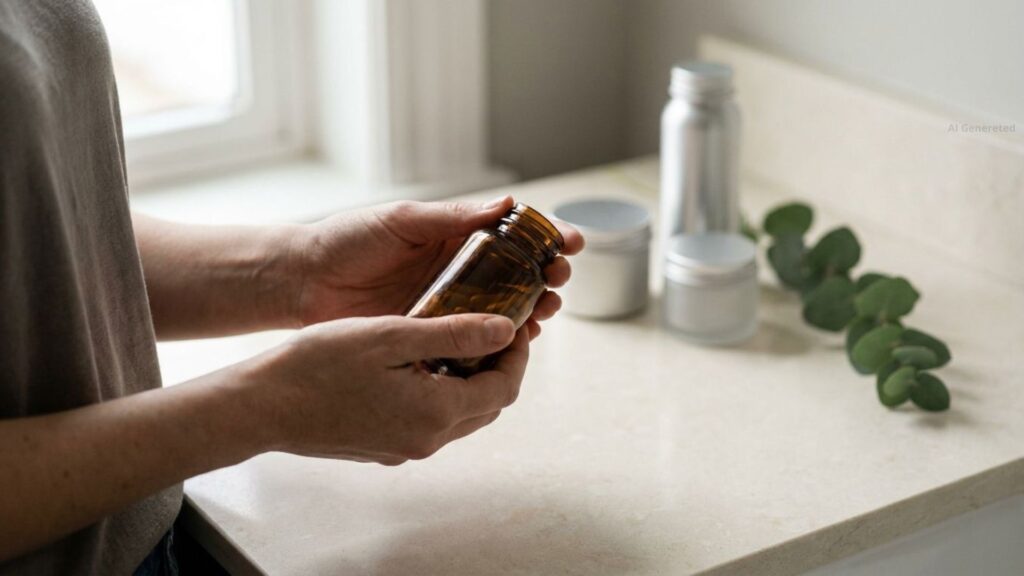
In the world of supplementation for endometriosis treatment, it's easy to get lost between aggressive marketing and promises of miraculous cures. For a partner observing this process from the sidelines, dozens of packages on the countertop may seem like an unnecessary expense. However, evidence-based medicine increasingly clearly indicates that endometriosis is a multisystem inflammatory and immunological disease. Targeted supplementation isn't an alternative magic bullet, but rather precise support for the body's biochemistry. Interestingly, the same medicine cabinet doesn't have to serve only women; most key products also bring tangible health benefits to men, creating a shared element of mutual care and solidarity in a relationship.
Omega-3 and Vitamin D3: A Common Foundation for Health
The most researched supplements in the context of supporting endometriosis therapy are polyunsaturated omega-3 fatty acids (EPA and DHA). In women, they inhibit the synthesis of pro-inflammatory prostaglandins responsible for painful pelvic spasms. This same anti-inflammatory mechanism has a protective effect on the partner's body. Regular intake of omega-3 by men supports the circulatory system, lowers triglyceride levels, improves lipid profile, and has a beneficial effect on concentration and nervous system regeneration after a stressful day. Sharing these fatty acids reduces the silent inflammation in both partners caused by a highly processed diet or a fast-paced lifestyle.
Vitamin D3, an immunomodulatory hormone, plays an equally important role. In women with endometriosis, it helps control tissue response and reduces the production of inflammatory cytokines. In men, optimal blood 25(OH)D levels are directly linked to normal testosterone production, maintaining proper bone density, muscle strength, and mood stability. Since vitamin D3 deficiency affects the vast majority of the population in our climate zone, testing your levels together and supplementing with them becomes a simple, unquestionable health-promoting habit for both of you.
N-acetylcysteine and powerful antioxidants: A shield against oxidative stress
N-acetylcysteine (NAC) has gained recognition for its ability to stimulate the synthesis of glutathione, the most powerful internal antioxidant. In women with endometriosis, NAC helps reduce oxidative stress in the pelvis and supports the reduction of endometrial lesions. For the partner, NAC provides excellent support for the liver in detoxification processes and is also a powerful ally of the respiratory and immune systems. Additionally, by protecting cells from free radical damage, it improves overall body function and sperm quality, which is crucial if a couple is planning to expand their family.
The situation is similar for plant antioxidants such as resveratrol and curcumin. These compounds inhibit the activity of nuclear factor kappa B, a key inflammatory switch. While in women, they limit angiogenesis around disease sites, in men, resveratrol has cardioprotective properties, supports blood vessel elasticity, and has anti-aging properties. Curcumin, in turn, alleviates post-workout micro-injuries and supports healthy digestive system function. Both partners, therefore, benefit from these substances for strong cellular protection against the harmful effects of the environment and stress.
Magnesium and B vitamins: Relaxation and nervous balance for both
Magnesium is an ingredient whose effects are felt exceptionally quickly. In patients with endometriosis, it reduces cramps by relaxing smooth muscles. In a partner, easily absorbed magnesium (e.g., in the form of bisglycinate) reduces nervous system arousal, prevents painful post-workout skeletal muscle spasms, and significantly improves the quality of deep sleep. Living in the shadow of a loved one's chronic illness is associated with considerable mental strain, but magnesium helps a man maintain calm and be more resilient to everyday stress.
In turn, the B vitamin complex (B6, B12, active folic acid) in women stimulates methylation processes in the liver, facilitating the removal of excess estrogen. For men, this same methylation is crucial for maintaining healthy homocysteine levels, which protects the circulatory system from atherosclerosis and ensures the proper production of neurotransmitters responsible for mental well-being and energy levels.
The Psychological Power of a Shared Routine
Including your partner in your daily supplementation has a dimension that goes far beyond biochemistry. Living with endometriosis often creates a sense of alienation and burden in a woman, associated with constantly having to remember medications, injections, and supplements. When the kitchen counter ceases to be "her private medicine cabinet" and becomes a shared health care zone, the feeling of being the only sick person in the house disappears.
When a man reaches for the same boxes, he sends a clear signal: "We're in this together, taking care of our bodies in parallel ." Turning a chore into a nurturing habit for both of us reduces mental resistance, facilitates regularity, and creates a space for mutual care where no one feels alone in their ailments.
Źródła:
Armor M, Lawson K, Wood A. Dietary supplements and herbal medicine for endometriosis: A systematic review and meta-analysis. Journal of Alternative and Complementary Medicine, volume 27, number 3, pages 210–225, March 2021.
Kowalski P, Radwan J. Micronutrients and antioxidants in supportive therapy for chronic pelvic inflammatory disease. PZWL Medical Publishing House, Warsaw, September 2021.
Porpora MG, Brunelli R, Costa G. N-acetylcysteine (NAC) in the treatment of endometriosis: A promising clinical approach for pain and cyst reduction. Evidence-Based Complementary and Alternative Medicine, Volume 2023, Article Number 458912, Pages 1–10, April 2023.
Salonia A, Bettocchi C, Boeri L. Male reproductive health, inflammation and oxidative stress: The protective role of systemic antioxidants and omega-3 fatty acids. European Urology Focus, volume 8, number 4, pages 1012–1024, July 2022.