

How to take care of your immunity with endometriosis?
When you hear about immunity, you probably think of it in the context of autumn, winter, and frequent colds. However, if you have endometriosis, taking care of your immune system is important year-round. Immunity isn't just about protecting you from infection; it's a crucial part of fighting chronic inflammation in your body. Taking care of your immune system with endometriosis isn't about reaching for random supplements only when you feel a scratchy throat. It's about daily, gentle care for your body, which brings benefits on many levels—from reduced susceptibility to viruses in the autumn and winter to improved well-being year-round.
Does endometriosis lower immunity?
The relationship between endometriosis and the immune system is complex and bidirectional. Medically, endometriosis is considered a chronic inflammatory disease with a strong immunological component.
In women with endometriosis, the immune system doesn't function fully properly. Instead of effectively recognizing and eliminating endometrial cells that appear outside the uterine cavity, it appears somewhat helpless. Simultaneously, immune cells (including macrophages) become overactivated in the pelvic area and secrete proinflammatory cytokines. The immune system is in a constant state of alert and has fewer resources to respond to external threats, such as viruses or bacteria. Many patients with endometriosis report increased susceptibility to recurrent infections (e.g., intimate infections, urinary tract infections, or upper respiratory infections) in my office.
Endometriosis and immunity – how to reduce the risk of infection?
Taking care of your immune system with endometriosis requires changing your daily habits. There's no single magic pill that will protect you from infection.
Immunity comes from the belly – take care of your intestines
Approximately 70-80% of the body's immune cells originate from the intestines (from the so-called GALT tissue). A healthy, tight intestinal mucosa and a diverse microbiome are the most important line of defense against pathogens.
With endometriosis, the intestines are exceptionally sensitive. Patients often struggle with endobelly , irritable bowel syndrome ( IBS ), and SIBO . Taking care of your intestines and maintaining a healthy bowel movement is one of the most important steps in supporting your immune system. If you feel your digestive system isn't functioning properly, it's worth discussing this with your doctor and dietitian. Improving digestion, absorption, and microbiome diversity will do more for your immunity than any supplement. What can you do now?
- Start your day with a glass of warm water. This will stimulate your intestines even before your first meal.
- Establish consistent, regular mealtimes. Your gut loves routine, and any disruption to it can cause discomfort. Whenever possible, try to eat your meals at approximately the same time each day.
- Do not overeat in the evening, it is best to eat your last meal about 2 hours before bedtime.
- Eat until you are about 80% full, this way you will not overload your stomach and intestines.
- Maintain a varied diet. This is crucial for a healthy gut microbiome. Your goal should be to eat at least 30 different plant-based foods per week.
Diet for better immunity in endometriosis
Your diet influences how your body deals with infections. An anti-inflammatory diet with high antioxidant potential is best for endometriosis treatment. How can you balance it on a daily basis?
- Every meal should include vegetables or fruit and a source of protein. Vegetables and fruit are a source of vitamins, antioxidants, and polyphenols, which support the immune system. The greater the variety and color on your plate, the better. This is the best way to care for your gut microbiota. Protein, in turn, is a fundamental building block for immune system cells and supports the body's regeneration.
- Eat fiber. It's a natural food source for gut bacteria. You can find it in vegetables, fruits, grains, seeds, and legumes.
- Add healthy fats. Olive oil and avocado oil work well, evening primrose oil, or black cumin. It's also worth including nuts, seeds, and pits in your diet.
- Limit highly processed foods, refined sugar and alcohol.
You can read more about the anti-inflammatory diet for endometriosis in our ebook EndoDieta.
Immunity supplements for endometriosis
Supplementation for endometriosis should be carefully considered and selected individually, but there is a group of substances that support immunity and are worth discussing with your doctor and dietitian.
- Vitamin D3 – is an important immunomodulator, and its deficiencies are very common. Low levels of vitamin D in the body make you more susceptible to infections. Remember that supplementation is necessary throughout the fall and winter, but the dose and exact duration of supplementation should be selected individually based on research blood.
- Omega-3 fatty acids (EPA/DHA) They have anti-inflammatory and immunomodulatory properties. Our bodies don't produce them on their own in sufficient quantities, so we must obtain them from diet and supplementation. To achieve this, it's worth eating oily marine fish twice a week, and it's also worth considering supplementation.
- Probiotics – targeted bacterial strains seal the intestinal barrier, positively impact the microbiota, and support the body's healthy immune response. It's worth remembering, however, that the effects of probiotics are strain-dependent; just any supplement won't suffice. In the context of improving immunity, the following strains have good scientific literature: Lactobacillus rhamnosus GG.
- Colostrum (bovine colostrum) – It contains antibodies and lactoferrin, which help fight viruses and bacteria. It can also aid regeneration and recovery after infection.
Note that it doesn't include vitamin C or zinc, ingredients found in most "immune" supplements. I left them off the list for a reason.
- Vitamin C is a very popular supplement, but most scientific studies do not confirm its beneficial effects in preventing infections. Vitamin C deficiencies can weaken the immune system, but they are rare – if you maintain an adequate intake of fruits and vegetables, you don't have to worry about insufficient vitamin C intake (one bell pepper more than meets your daily requirements). Large doses of vitamin C taken during illness do not shorten its duration either.
- Zinc is a somewhat problematic ingredient in the context of endometriosis, as I wrote about in the article "Zinc in endometriosis – is there anything to worry about?" Without a doubt, you shouldn't supplement it routinely or just in case. However, zinc, and especially zinc gluconate lozenges, can be very helpful at the first signs of a cold. It's often recommended to start taking it as soon as you feel the first scratchy or sore throat, as it can shorten the duration of the infection and ease its severity. Remember, however, that it should only be used on a short-term basis and after consulting a doctor.
In the fall and winter, you can also include natural plant products that support immunity, such as elderberry fruit and flower juice, propolis, or black cumin oil.
- Elderberry fruit and flowers are an excellent source of antioxidants (anthocyanins) and vitamin C. Elderberry makes it harder for viruses to enter the body's cells and may shorten the duration of infection.
- Black cumin oil Contains thymoquinone, an active compound with strong anti-inflammatory, antiviral, and immunomodulatory properties. It helps calm excessive inflammatory responses, supports gut health, and soothes symptoms allergies.
- Propolis (bee glue) has a calming effect on inflammation in the mouth and throat, stimulates the immune system to fight pathogens and accelerates the regeneration of mucous membranes.
Physical activity and immunity in endometriosis
Exercise (especially outdoors) is a natural immune system stimulant, but with endometriosis, intensity is key. Moderate, regular exercise (e.g., walking, yoga, Pilates, swimming, slow jogging) improves lymph circulation, oxygenates tissues, and reduces inflammatory markers. High-intensity, exhausting workouts, on the other hand, can have the opposite effect. Don't give up on exercise, but make sure it doesn't become excessive.
Sleep and immunity
During deep sleep, the body undergoes intensive regeneration. Chronic sleep deprivation or poor sleep quality directly reduces the body's ability to fight pathogens. Maintaining good sleep hygiene (consistent sleep patterns, a darkened bedroom, and no screens before bed) is one of the most effective immune "supplements."
Natural ways to boost immunity
During the infectious season, you can also support your body with natural methods that have been used for thousands of years.
- Acupuncture – it is increasingly used in patients with endometriosis, according to traditional Chinese medicine it helps regulate the nervous system, reduces stress and stimulates the body's self-healing mechanisms.
- Aromatherapy Essential oils (e.g., tea tree, lavender, eucalyptus, oregano) have antibacterial and relaxing properties. Inhalation or room diffusion can support the respiratory system and reduce tension.
Endometriosis and colds – how to help yourself during an infection?
When, despite your best efforts, you get an infection, the most important rule is to slow down and allow your body to recover.
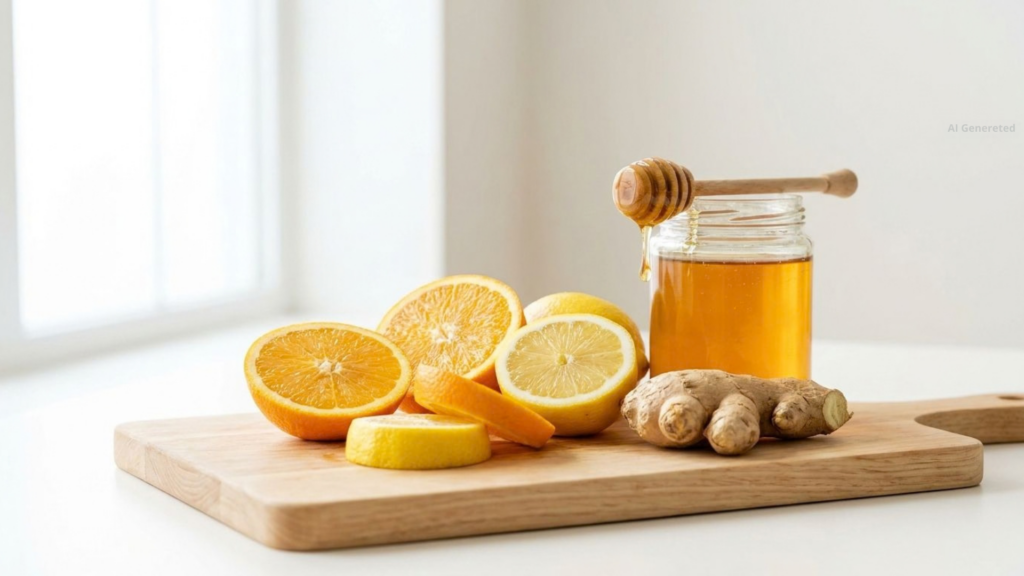
Rest and sleep are essential. Your immune system needs energy to fight the disease. Working or doing intense household chores during an infection only prolongs recovery. The best thing you can do for yourself is get a good night's sleep and spend the day with warm tea under your favorite blanket. Drink warm teas with ginger, lemon, and honey, and try saline inhalations.
Also, remember that not every fever requires immediate treatment. An elevated body temperature is a natural, protective response, as viruses multiply more slowly at higher temperatures and immune cells function more efficiently. If your fever doesn't exceed 38°C and you're tolerating it well, you don't need to immediately resort to fever-reducing medications.
Summary
Endometriosis immunity is a process that requires year-round attention, not just in the fall and winter. By taking care of your gut, following an anti-inflammatory diet rich in fiber and protein, getting enough sleep, and choosing supplements wisely, you help your body cope with chronic inflammation. Instead of seeking complicated solutions, focus on simple, daily habits. Regular self-care will bring you more strength and a better sense of well-being every day.
Źródła:
Ashraf R. Immune system stimulation by probiotic microorganisms, https://pubmed.ncbi.nlm.nih.gov/24499072/ [accessed: 17/09/2025]
Morbe U. Human gut-associated lymphoid tissues (GALT); diversity, structure, and function, https://pubmed.ncbi.nlm.nih.gov/33753873/ [accessed: 17/09/2025]
Spahn T. Modulating the intestinal immune system: the role of lymphotoxin and GALT organs, https://pubmed.ncbi.nlm.nih.gov/14960534/ [accessed: 17/09/2025]
Bodera P. Influence of prebiotics on the human immune system (GALT), https://pubmed.ncbi.nlm.nih.gov/19076004/[accessed: 17/09/2025]
Hemila H. Vitamin C for preventing and treating the common cold https://pmc.ncbi.nlm.nih.gov/articles/PMC8078152/[accessed: 17/09/2025]
Cerullo G. The Long History of Vitamin C: From Prevention of the Common Cold to Potential Aid in the Treatment of COVID-19, https://pmc.ncbi.nlm.nih.gov/articles/PMC7655735/[accessed: 17/09/2025]
Mossad S. Zinc gluconate lozenges for treating the common cold. A randomized, double-blind, placebo-controlled study, https://pubmed.ncbi.nlm.nih.gov/8678384/[accessed: 17/09/2025]
Wessels I. Zinc as a Gatekeeper of Immune Function, https://pmc.ncbi.nlm.nih.gov/articles/PMC5748737/[accessed: 17/09/2025]
Ghosh S. Diverse Immune Effects of Bovine Colostrum and Benefits in Human Health and Disease, https://pmc.ncbi.nlm.nih.gov/articles/PMC8624701/[accessed: 17/09/2025]
Aranow C. Vitamin D and the Immune System, https://pmc.ncbi.nlm.nih.gov/articles/PMC3166406/ [accessed: 17/09/2025]
Bodur M. Immunomodulatory Effects of Omega-3 Fatty Acids: Mechanistic Insights and Health Implications, https://pmc.ncbi.nlm.nih.gov/articles/PMC12087734/ [accessed: 17/09/2025]
Hawkins J. Black elderberry (Sambucus nigra) supplementation effectively treats upper respiratory symptoms: A meta-analysis of randomized, controlled clinical trials, https://pubmed.ncbi.nlm.nih.gov/30670267/ [accessed: 17/09/2025]
Sforcin J. Propolis and the immune system: a review, https://pubmed.ncbi.nlm.nih.gov/17580109/ [accessed: 17/09/2025]

Aleksandra Dziura
A clinical dietitian, she graduated from the Medical University of Warsaw (undergraduate and graduate studies) and the Institute of Performance Nutrition. She continually expands her knowledge of women's health and nutrition by participating in conferences in Poland and abroad. She takes a holistic approach to working with patients, seeking the root cause of problems rather than simply masking symptoms. For over five years, she has been working with women with endometriosis and adenomyosis.