

Heat, cold, and mitochondria. Do saunas and heat therapy make sense for endometriosis?
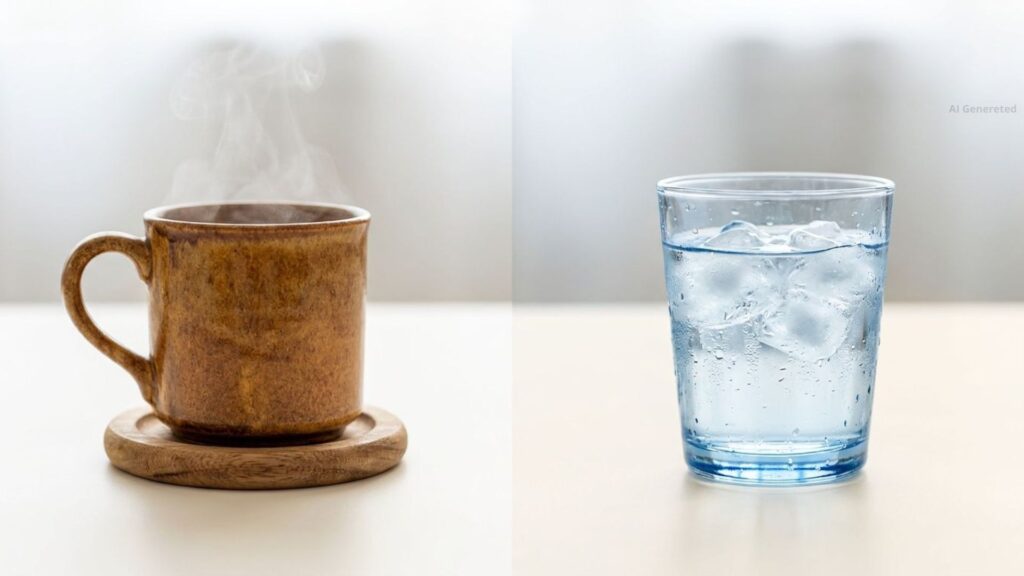
In the world of health, regeneration, and longevity, exposure to extreme temperatures has become one of the most popular trends. Finnish saunas, infrared sessions, cold showers, and winter swimming are promoted as universal tools for boosting metabolism, rejuvenating cells, and strengthening immunity.
However, when we add endometriosis to the equation, the situation is no longer black and white. A body with chronic inflammation, a stressed nervous system, and a tense pelvic floor responds to stimuli completely differently than a completely healthy body. Are saunas and cold exposure allies in the fight for better well-being, or are they an unnecessary burden on an exhausted body?
Mitochondria and Cellular Stimulation: Why Does Temperature Work?
To understand the impact of temperature on the body, we need to look inside our cells, specifically the mitochondria. This energy micro-center is responsible for producing ATP, the pure energy needed for life, regeneration, and fighting inflammation. In endometriosis, mitochondrial function is often impaired due to constant oxidative stress, which directly translates into feelings of chronic fatigue (endo-fatigue).
Both high and low temperatures act on the body as a controlled, short-term stressor, known in biology as hormesis. A mild stress stimulus forces mitochondria to work more efficiently, stimulating the production of heat shock proteins (HSPs ) , and stimulating mitochondrial biogenesis, the creation of new, more efficient energy units.
The key, however, lies in the word "controlled." If the stimulus is too strong or overlaps with profound exhaustion, hormesis ceases to have a health-promoting effect and begins to exacerbate inflammation.
Sauna and Deep Heat: An Ally for a Tense Pelvis
For most women with endometriosis, heat is an intuitive and natural way to relieve painful cramps. A hot water bottle or a hot bath are often the first line of defense on more challenging days. A sauna takes this action to a higher systemic level.
High temperature dilates blood vessels, significantly improving microcirculation and tissue oxygenation throughout the pelvis. Improved blood flow facilitates the flushing of local inflammatory mediators and relaxes chronically tense pelvic floor muscles and fascia.
The infrared sauna seems particularly valuable in this context. Unlike a traditional Finnish sauna, where hot air heats the skin from the outside, infrared rays penetrate several centimeters deep into the tissues, warming the body at a significantly lower ambient temperature. This produces a profoundly relaxing effect without overloading the circulatory system or causing shortness of breath.
Additionally, sauna use induces intense sweating, which supports the natural processes of removing heavy metals and aids the detoxification of xenoestrogens, reducing the burden on the liver.
Cold Therapy: Gentleness Instead of Extremes
While warmth is welcomed with enthusiasm, cold raises legitimate concerns. Ice-cold water or swimming in the ocean cause a sudden constriction of blood vessels and a release of adrenaline and cortisol. For a woman whose nervous system is already on constant alert due to pain, such a sudden stimulus can trigger a defensive spasm of the pelvic floor muscles and intensify the pain.
Cold, however, has a secondary, extremely valuable side, as it is one of the most powerful natural inhibitors of inflammation. Appropriately dosed cold stimulation activates the vagus nerve, supports regeneration, and reduces the production of pro-inflammatory cytokines.
The key to managing endometriosis is to forgo extreme approaches in favor of micro-stimuli. Instead of icy baths, it's much more effective to end a warm shower by pouring cooler water over your feet, calves, and hands for a few seconds. This gentle signal is enough to stimulate the circulatory system and support mitochondria without shocking the pelvic organs.
How to use temperature therapy in practice?
To ensure that sauna and temperature work bring real benefits without the risk of exacerbating symptoms , it is worth introducing a few simple organizational rules.
Listen to your cycle phase. The best time to sauna is the first half of your cycle, the follicular phase, when energy levels are higher and the body can better cope with stressors. During the luteal phase and during menstruation, it's best to forgo intense sauna sessions in favor of the gentle warmth of home.
Remember to stay hydrated and replenish your electrolytes. Sweating not only causes your body to lose water, but also sodium, potassium, and magnesium. Drinking a glass of water with a pinch of sea salt or electrolyte supplements after a sauna session is essential for maintaining metabolic balance.
Avoid extreme contrasts. Traditional sauna protocol recommends jumping from a hot sauna directly into an ice-cold tub. In endometriosis, this thermal shock can cause painful spasms of the blood vessels and pelvic muscles. Instead, opt for a slow, non-icing cool-down, starting with the extremities and working your way up.
Respect your own limits. Heat therapy is intended to be a regenerative experience, not just another task to check off your to-do list. If you experience dizziness, nausea, or increased anxiety in the sauna, discontinue your session immediately.
Approaching heat and cold in endometriosis requires flexibility and sensitivity to the body's signals. When incorporated wisely into your daily routine, sauna or gentle cold exposure can be a valuable element in supporting mitochondria, metabolism, and the nervous system on their way to more efficient functioning.
Sources
Hussain J, Cohen M. Clinical effects of regular sauna bathing, a systematic review. Evidence-Based Complementary and Alternative Medicine, volume 2018, pages 1857379, April 2018.
Patrick RP, Johnson TL. Sauna use as a lifestyle practice to extend healthspan. Experimental Gerontology, volume 154, pages 111509, October 2021.
Sutton J, Mazerolle SM, Casa DJ. Cold water immersion and recovery from exercise-induced muscle damage, mechanisms and applications. Journal of Athletic Training, volume 51, number 8, pages 620, August 2016.
Versey JH, Halson SL, Dawson B. Water immersion recovery techniques, role of water temperature and immersion duration. Sports Medicine, volume 43, number 11, pages 1101, November 2013.
ESHRE Endometriosis Guideline Development Group. Endometriosis, guideline of the European Society of Human Reproduction and Embryology. ESHRE Guidelines Office, Central Building, Grimbergen, January 2022.
