

Endometriosis and insulin resistance – how to choose a diet?
Modern medicine and clinical dietetics increasingly view the body as a network of interconnected vessels, where disorders in one area inevitably impact others. A prime, albeit challenging, example is the coexistence of endometriosis and insulin resistance (IR). While at first glance they may seem completely separate, unrelated problems, they actually share a common trait: chronic, low-grade inflammation. In this article, I'll explain what these conditions are, how they interact, and show you how you can support your metabolic and hormonal health with simple, daily habits.
Endometriosis and insulin resistance – some definitions and statistics to get you started
Before we move on to specific tips, we need to clarify some basic knowledge. This will help you be more aware and attentive during the healing process and better understand what's happening in your body.
Endometriosis is an inflammatory, chronic, and estrogen-dependent disease characterized by the presence of endometrial cells (the lining of the uterus) outside the uterine cavity. These tissues respond to cyclical hormonal changes, leading to severe pain, adhesions, and cysts. It is estimated that it affects up to 10–15% of women of reproductive age , which translates to tens of millions of patients worldwide.
Insulin resistance (IR) is not a disease in itself, but a pathological condition in which the body's tissues exhibit reduced sensitivity to insulin, the hormone that regulates blood glucose levels. To maintain normal blood glucose levels, the pancreas is forced to produce large amounts of this hormone, which induces a state of hyperinsulinemia. Although precise statistics on the prevalence of insulin resistance in women with endometriosis are lacking, it is estimated that glucose metabolism disorders may affect as many as one in three women struggling with hormonal problems.
The coexistence of these two problems is not easy for any woman. On the one hand, severe pain occurs, and on the other, difficulties with weight loss, postprandial drowsiness, and hunger pangs and sweet cravings. Both of these conditions feed off each other. High insulin increases inflammation, and inflammation deepens cellular insulin resistance.
If you struggle with both conditions, your daily dietary choices are no longer just a matter of slimming down, but become the foundation of treatment. A carefully selected diet and targeted supplementation can not only stabilize blood sugar and insulin levels but also have a significant impact on pain relief and slowing the progression of endometriosis. Remember, you're not a "hopeless case" and don't have to struggle with symptoms forever, and your daily choices are crucial.
Basics of diet for insulin resistance associated with endometriosis
In the case of insulin resistance, diet is not merely a support system, but a fundamental form of treatment . Unlike many other diseases, insulin resistance can largely be reversed or its effects minimized by changing habits without pharmacological intervention. First, let's review the three basic, most important principles of the insulin resistance diet:
- Compose meals according to a specific pattern
Each main meal should be properly balanced, which means the presence of the following ingredients:
- Vegetables and fruits – the more and more diverse the better, try to make sure that the portion of vegetables and/or fruit constitutes at least half of the volume of the plate,
- Protein – fish, lean, unprocessed meat, legumes, eggs, tofu,
- Complex carbohydrates whole grain groats, whole grain bread, whole grain pasta, whole grain flakes,
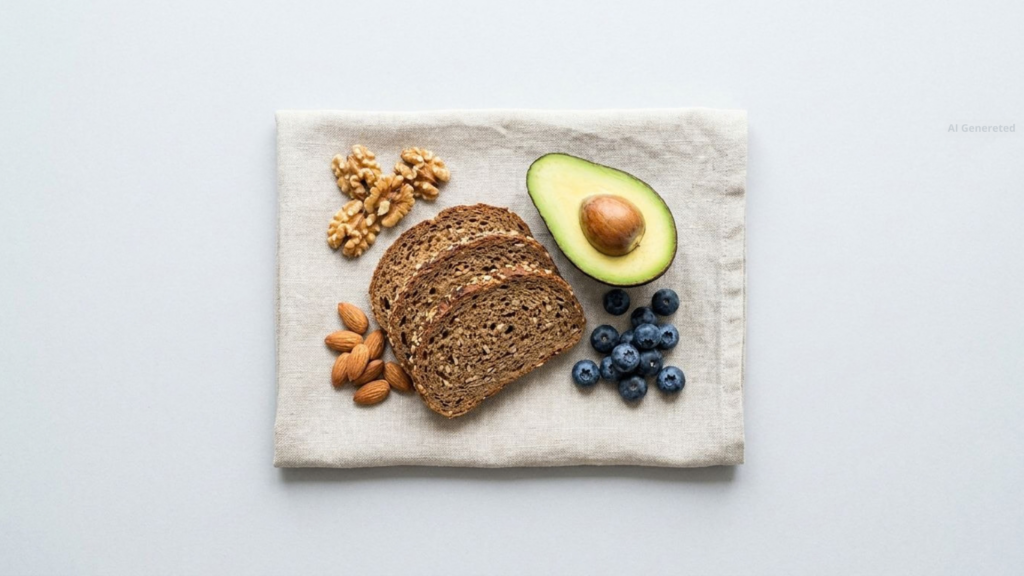
- Healthy fats – e.g. olive oil, avocado, nuts, seeds.
- Fresh or dried herbs – e.g. basil, oregano, rosemary, thyme, cinnamon.
This composition results in a meal with low energy density but high nutritional value and anti-inflammatory potential. It also regulates the rate of gastric emptying and sugar absorption into the blood, which directly impacts carbohydrate and insulin metabolism.
- Controlling the calorie content of the diet and body weight
In insulin resistance, especially if you're overweight, losing just 5-10% of your body weight can significantly improve tissue sensitivity to insulin. However, frequent caloric surpluses, meaning eating more calories than you actually need, are a strong factor in exacerbating insulin resistance. This doesn't mean you need to resort to restrictive diets or fasting. These are completely contraindicated in endometriosis. Instead, regularly monitor your weight and occasionally check the calorie content of your usual diet, for example, using a phone app. Remember that if you have any concerns in this regard, you can always schedule an online dietary consultation with one of our dietitians.
- Limit your consumption of highly processed foods
Simple sugars, high-fructose corn syrup, and trans fats found in highly processed foods are very harmful to your health. They cause rapid spikes in glucose and insulin levels, increase the production of pro-inflammatory prostaglandins (responsible for endometriosis pain), and promote chronic inflammation. Try to limit sweet and salty snacks, baked goods, sweet fruit drinks, carbonated drinks, fast food, and instant meals.
Glycemic index – why is it not worth following it?
Many patients, at the beginning of their journey with insulin resistance, receive a list of low-glycemic index foods from their doctor or find it online. It's a myth that strictly following such a list is necessary and helpful for insulin resistance, and I'll explain why in a moment. But let's start with a definition.
The glycemic index is defined as the average percentage increase in blood glucose after consuming a serving of a food containing 50 grams of digestible carbohydrates. The reference point is the increase in blood sugar levels after consuming 50 grams of glucose. Put simply, the glycemic index is a measure that classifies foods based on their effect on blood glucose levels. While this sounds reasonable, the glycemic index is problematic for several reasons.
- Firstly, the glycemic index does not take into account the actual portion of the product consumed. For example, carrots and watermelon have a high glycemic index. However, note that, by definition, this refers to a portion of these foods containing 50 g of digestible carbohydrates. To obtain this amount, you would have to eat almost 1 kg of carrots and 1 kg of watermelon in one sitting. In practice, the amounts consumed are much smaller, so the impact on carbohydrate and insulin metabolism is not as significant. Based solely on the glycemic index, many valuable foods can be completely eliminated from your diet.
- Secondly, the glycemic index does not take into account the composition of the meal. Even the simplest and quickest sandwich consists of at least two or three different ingredients. For example, fiber, protein, and fat slow the digestion of carbohydrates and stabilize postprandial blood glucose. This means that even if you eat foods with a high glycemic index, if you combine them with a source of protein, fat, and fiber, their negative impact on blood glucose levels will be significantly reduced.
- Finally, it is worth emphasizing that the glycemic index depends, among others, on:. on the degree of ripeness of the fruit and the mechanical and thermal processing methods used. For example, ripe, soft bananas with a slightly brown skin have a higher glycemic index than green and light yellow bananas. Crushed products (fruit juices, smoothies, purees) have a different effect on the body and carbohydrate-insulin metabolism than whole fruit. Cooking method and time are also important. Overcooked pasta has a higher glycemic index than pasta cooked al dente.
Glycemic load – how to use it in practice?
When planning a diet for people with insulin resistance, it's worth considering the glycemic load. This is a much more precise and useful parameter. The glycemic load (GL) takes into account not only the scale and speed of blood sugar rise, but also, and most importantly, the amount of carbohydrates in the actual portion you consume.
To calculate the glycemic load (GL) of a product, simply multiply its glycemic index by the amount of digestible carbohydrates (in grams) in a given serving and divide the result by 100. Before you start stressing out and worrying that from now on you'll have to do complicated calculations before every meal... that's absolutely not the case!
I'm discussing this topic to show you that you have freedom of choice and don't have to limit yourself to any chart. You can eat a higher GI food if you consume it in moderate portions and combine it with protein- and fat-rich foods. In practice:
- Keep your meal composition in line with the principle I described earlier. You don't have to give up pasta or potatoes. Simply pair them with a protein source (e.g., chicken breast, salmon, mozzarella, or tofu), a serving of vegetables, and a healthy fat like olive oil.
- If you're craving something sweet, eat it with or immediately after your main meal. Dessert eaten right after dinner has a completely different effect on carbohydrate metabolism than one eaten on an empty stomach or during a long break between meals.
- Don't be afraid of fruit. Pair it with nuts or yogurt.
A diet doesn't have to (and shouldn't!) involve a series of sacrifices. You can eat fruit, potatoes, and even moderate amounts of sweets, homemade cakes, or chocolate, as long as you incorporate them well into your overall eating routine.
Anti-inflammatory diet with controlled glycemic load
Combining an anti-inflammatory diet with a moderate glycemic load is the gold standard for women with endometriosis and insulin resistance.
Here are the most important, practical recommendations in bullet points:
- Eat regularly, at regular intervals. Avoid snacking between meals.
- Eat at least 500g of fruit and vegetables daily. Try to keep them as minimally processed as possible. It's best to eat fruit whole, and keep fruit juices to a minimum.
- Protein should be included in every main meal. Choose primarily natural sources, such as meat, fish, eggs, unsweetened dairy products, legumes, and tofu. Treat protein supplements, puddings, and protein bars as "emergency" products, not as a permanent part of your diet.
- Choose the least processed sources of carbohydrates possible.
- Increase your intake of omega-3 fatty acids, which naturally reduce inflammation. Flaxseeds, chia seeds, walnuts, and saltwater fish should be included in your diet at least a few times a week.
- Focus on antioxidants. Brightly colored vegetables (purple, red, green) contain compounds that protect cells from oxidative stress. Cruciferous vegetables (broccoli, cauliflower, Brussels sprouts) are especially recommended, as they support estrogen detoxification in the liver. Natural spices are also an excellent source of antioxidants.
- Make sure you get enough magnesium. It's essential for insulin receptor function and helps relax smooth muscles, which can alleviate menstrual cramps. The best sources include buckwheat, cocoa, pumpkin seeds, and spinach.
- Avoid red meat and processed meats. They increase inflammation and insulin resistance.
Supplementation support
Supplementation should always be a supplement to your diet, not a replacement. For women with endometriosis and insulin resistance, we often consider the following:
- Myo-inositol – improves tissue sensitivity to insulin and supports ovarian function. Recommended doses range from 2-4 g per day, and supplementation should last approximately 3 months.
- Berberine – some survey Scientific studies show its effectiveness is similar to metformin. It improves glucose and lipid metabolism and has strong anti-inflammatory effects. Berberine is most often recommended for 500 mg doses taken 2-3 times daily for approximately 3 months. It works best in women whose insulin resistance is caused by PCOS.
- Omega-3 fatty acids (EPA and DHA) – are crucial for reducing inflammation and improving insulin sensitivity. For many women, they should be a regular part of their supplementation regimen. Dosage should be adjusted to your health status and dietary omega-3 intake, but is most often around 500-1000 mg per day. You'll find high-quality omega-3 in our supplement. EndoOmega.
- Vitamin D3 – it influences the functioning of almost every organ in our body, helping to regulate inflammation and maintaining proper sensitivity. The dose should be individually determined based on blood 25(OH)D levels.
You can find more information about supplements for endometriosis and high-quality products in our store.
Diet is not everything
In the treatment of insulin resistance and endometriosis, it is extremely important not only what is on the plate, but also what happens outside of it.
- Muscle strengthening training is absolutely necessary. Muscles are the largest consumer of glucose in your body. Regular resistance training (even with your own body weight or resistance bands) improves metabolic health and tissue sensitivity to insulin.
- Sleep and circadian rhythm This is another important factor. Even a single sleepless night can make your body function worse the next day, significantly reducing insulin sensitivity. It also increases your cravings for sweet, quick snacks. Maintaining a regular sleep schedule and limiting blue light exposure in the evening will help you manage your carbohydrate and insulin metabolism.
- Ability to cope with stress is essential in the context of both endometriosis and insulin resistance. Explore yoga, meditation, breathing exercises, and mindfulness. Remember that by resting, you're not wasting time, but actually supporting your health.
Summary
Endometriosis and insulin resistance are a difficult combination, but you can manage them. Your weapons are knowledge and repetitive, daily choices, especially those that seem tedious and insignificant. Remember, too, that every body is different. Listen to your body, observe your reactions to meals, and don't be afraid to seek professional help.
Źródła:
Insulin resistance, https://my.clevelandclinic.org/health/diseases/22206-insulin-resistance [accessed: 17/09/2025]
Insulin resistance & Prediabetes, https://www.niddk.nih.gov/health-information/diabetes/overview/what-is-diabetes/prediabetes-insulin-resistance [accessed: 17/09/2025]
Gołąbek K. Dietary support in insulin resistance: An overview of current scientific reports, https://pubmed.ncbi.nlm.nih.gov/31756065/ [accessed: 17/09/2025]
Johnson M. Mechanism by Which Caloric Restriction Improves Insulin Sensitivity in Sedentary Obese Adults, https://pubmed.ncbi.nlm.nih.gov/26324180/[accessed: 17/09/2025]
William C. Reduction in the incidence of type 2 diabetes with lifestyle intervention, https://pubmed.ncbi.nlm.nih.gov/11832527/ [accessed: 17/09/2025]
Słoma M. The importance of anthocyanins in insulin resistance, https://journals.viamedica.pl/forum_leczenia_otylosci/article/view/62424 [accessed: 17/09/2025]
Dąbkowska M. Influence of fatty acid intake tranny TFA on the development of metabolic syndrome, https://wa-uploads.profitroom.com/sofra/16716282389246_4-wplyw-kwasow-MD.pdf [accessed: 17/09/2025]
Xin Q. Causal effects of glycemic traits and endometriosis: a bidirectional and multivariate mendelian randomization study, https://pmc.ncbi.nlm.nih.gov/articles/PMC10967113/ [accessed: 17/09/2025]
Xu T. Association between triglyceride-glucose index and endometriosis: results from a cross-sectional study and Mendelian randomization study, https://www.frontiersin.org/journals/endocrinology/articles/10.3389/fendo.2024.1388570/full [accessed: 17/09/2025]
Beaudry K. Exercise mode influences post-exercise glucose sensitivity and insulin clearance in young, healthy males and females in a sex-dependent manner: A randomized control trial, https://pmc.ncbi.nlm.nih.gov/articles/PMC9251832/ [accessed: 17/09/2025]

Aleksandra Dziura
A clinical dietitian, she graduated from the Medical University of Warsaw (undergraduate and graduate studies) and the Institute of Performance Nutrition. She continually expands her knowledge of women's health and nutrition by participating in conferences in Poland and abroad. She takes a holistic approach to working with patients, seeking the root cause of problems rather than simply masking symptoms. For over five years, she has been working with women with endometriosis and adenomyosis.